

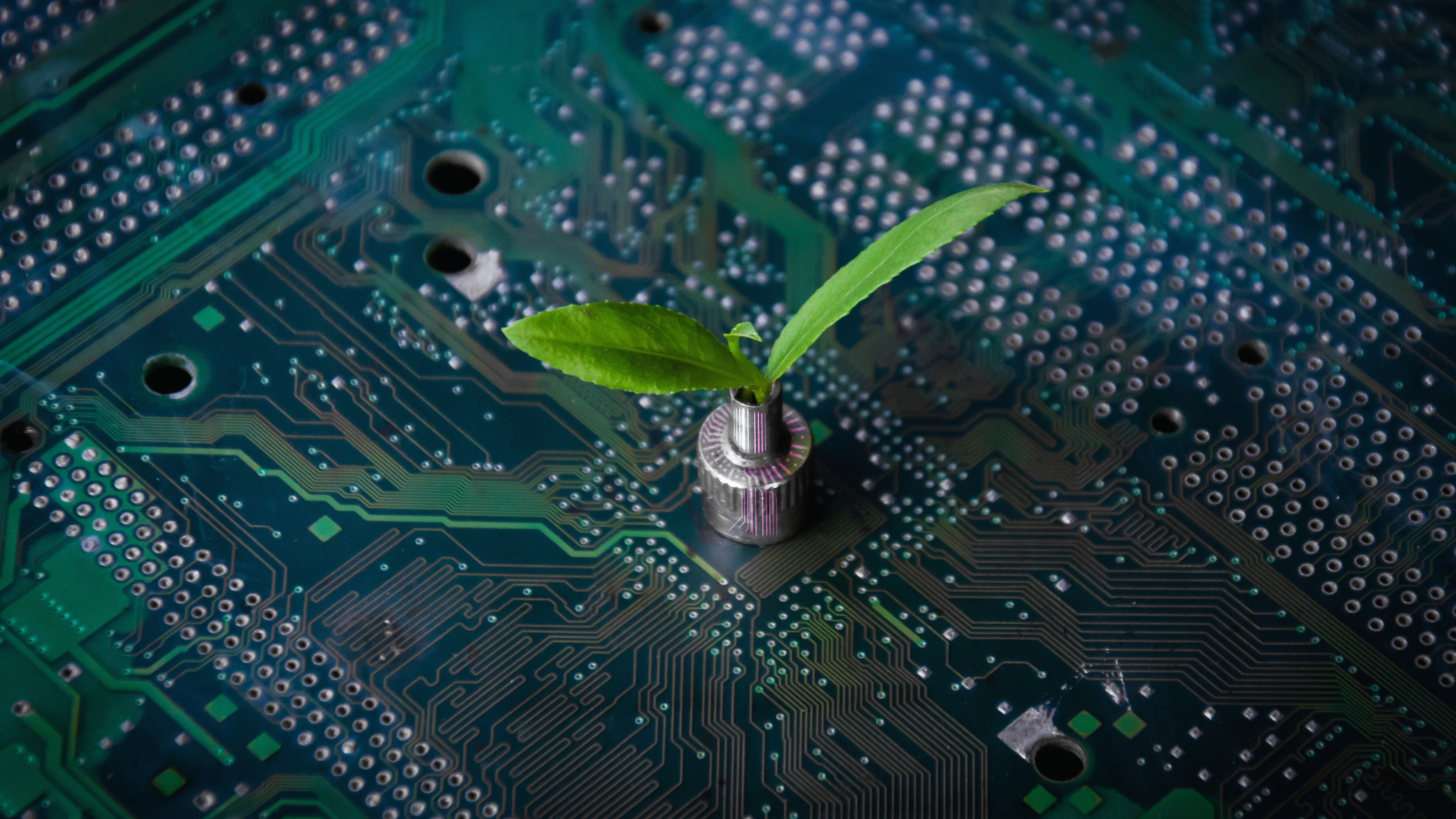
The computer manufacturing industry is undergoing a significant transformation as sustainability becomes a priority. Companies are increasingly adopting eco-friendly practices, not only to meet regulatory demands but also to respond to consumer preferences for green technologies. These sustainable approaches reduce waste, lower carbon footprints, and promote the efficient use of resources, ultimately leading to a healthier planet.
As the demand for environmentally conscious products rises, manufacturers are exploring various innovative techniques. From using recyclable materials to improving energy efficiency in production processes, these initiatives address both environmental concerns and operational costs. This shift not only benefits the planet but also enhances brand reputation and customer loyalty.
The impact of implementing eco-friendly practices in computer manufacturing extends beyond the production line. It influences the entire lifecycle of products, encouraging responsible consumption and disposal habits among consumers. By prioritizing sustainability, the industry paves the way for a more sustainable future while continuing to provide advanced technology.
Core Eco-Friendly Practices in Computer Manufacturing
Eco-friendly practices in computer manufacturing focus on utilizing sustainable materials, minimizing waste, maximizing energy efficiency, and ensuring responsible disposal methods. These practices not only reduce environmental impact but also enhance the longevity and performance of products.
Sustainable Materials and Green Hardware
Using sustainable materials is crucial in eco-friendly computer manufacturing. Manufacturers are increasingly adopting biodegradable plastics, recycled metals, and sustainably sourced components. For instance, some companies utilize aluminum and glass, which can be recycled indefinitely without losing quality.
Many plastic parts in modern hardware require high-grade polymers for durability. Manufacturers now look for reliable suppliers of recycled resins like polypropylene and high-density polyethylene. This choice reduces the reliance on virgin fossil fuels. Businesses can find specialized recycling partners and technical resources through iplbrightgreen.co.uk/ to secure these materials. This shift supports a closed-loop system where waste becomes a valuable resource again.
Green hardware is another vital aspect. It includes components made with minimal ecological impact during production. Certifications like Energy Star indicate that products meet energy efficiency criteria, while labels such as RoHS ensure restricted use of hazardous substances. Such measures promote sustainability across the lifecycle of electronic devices.
Waste Reduction and Recycling Initiatives
Waste reduction is a priority in eco-conscious manufacturing. Companies are implementing strategies to minimize waste during production, including optimizing design processes and reusing materials. These practices help reduce the overall waste generated by manufacturing processes.
Recycling initiatives play a crucial role in this approach. Many manufacturers establish take-back programs that encourage consumers to return discarded devices. This not only reduces e-waste but also ensures valuable materials, such as rare metals, are reclaimed and reused.
Energy Efficiency and Reduced Consumption
Energy efficiency is a cornerstone of sustainable manufacturing practices. Modern computer manufacturers are adopting high-efficiency processes that consume less energy, lowering their carbon footprint. Implementing renewable energy sources, such as solar or wind, further contributes to sustainable production.
Additionally, optimizing equipment and facility operations can lead to significant energy savings. Smart technologies that monitor and adjust energy usage can enhance efficiency in production lines, reducing overall consumption and operational costs.
Eco-Design and Responsible Disposal
Eco-design focuses on creating products with minimal environmental impact throughout their lifecycle. This approach involves considering the end-of-life phase during product development to facilitate recycling or safe disposal.
Responsible disposal methods are critical once the product reaches its end. Educating consumers on proper disposal options and advocating for recycling programs ensures that components do not contribute to landfill waste. Manufacturers often collaborate with recycling companies to ensure safe and effective disposal practices, further supporting sustainability efforts.
Technological Innovations and Sustainable Manufacturing Processes
Recent advancements in technology are transforming sustainable manufacturing in the computer industry. Automation, machine learning, and additive manufacturing are central to enhancing efficiency, reducing waste, and minimizing energy consumption in production processes.
Automation and AI-Powered Predictive Maintenance
Automation enhances production efficiency by using machinery and software to perform tasks that were previously manual. This reduces labor costs and minimizes human error.
AI-powered predictive maintenance plays a crucial role in this process. It enables companies to predict equipment failures before they occur, decreasing downtime.
By using sensors and data analytics, manufacturers can monitor equipment health in real-time. This proactive approach helps avoid costly repairs and reduces material waste associated with unexpected breakdowns.
Machine Learning and Manufacturing Efficiency
Machine learning algorithms optimize manufacturing processes by analyzing vast amounts of data. They identify patterns that can enhance production efficiency and reduce energy waste.
By implementing machine learning, companies can achieve just-in-time inventory management, minimizing excess materials. This not only lowers costs but also aligns with sustainable manufacturing practices.
For instance, manufacturers might use machine learning to optimize supply chain logistics. This ensures that resources are used more efficiently, contributing to a decrease in the carbon footprint of production operations.
Additive Manufacturing and 3D Printing
Additive manufacturing, commonly known as 3D printing, revolutionizes the way products are made. This process builds objects layer by layer, significantly reducing material waste compared to traditional subtractive methods.
By allowing customization and rapid prototyping, additive manufacturing shortens development cycles. This results in lower energy consumption and fewer emissions during the production process, enabling efficient product design prototyping and accurate testing of form, fit, and function.
Moreover, 3D printing enables the use of recyclable materials and biodegradable polymers. This supports sustainable practices by reducing dependency on non-renewable resources and fostering environmental responsibility in the computer manufacturing sector.
Environmental and Economic Impact
Eco-friendly practices in computer manufacturing significantly affect the environment and economy. Implementing sustainable strategies can reduce carbon emissions, provide cost savings, and enhance corporate reputation.
Reducing Carbon Footprint and Environmental Impact
By adopting eco-friendly materials and processes, computer manufacturers can substantially lower their carbon footprint. Implementing energy-efficient production methods minimizes greenhouse gas emissions during manufacturing.
Additionally, using recycled components reduces the environmental impact associated with mining and processing raw materials. For instance, recycled aluminum can lower emissions by up to 95% compared to newly mined aluminum.
Efforts such as optimizing transportation logistics also contribute to reduced transportation emissions, further benefiting the environment. Ultimately, these practices foster a sustainable future, mitigating ecological harm.
Cost Savings and Climate Change Mitigation
Incorporating sustainable practices can lead to substantial cost savings for computer manufacturers. Energy-efficient technologies reduce operational costs, while utilizing recycled materials can decrease raw material expenses.
For example, adopting renewable energy sources may initially require investment but often results in lower utility costs over time.
Furthermore, these practices help companies comply with environmental regulations, avoiding potential fines and enhancing profitability. Mitigating climate change through responsible manufacturing not only benefits the planet but also strengthens economic resilience.
Brand Reputation and Corporate Social Responsibility
Eco-friendly initiatives positively impact brand reputation, fostering consumer trust and loyalty. Many consumers today prioritize sustainability when making purchasing decisions, which influences their choice of brands.
By showcasing a commitment to corporate social responsibility, manufacturers can differentiate themselves in a crowded market.
Strategies such as transparent reporting on sustainability efforts increase credibility and align brand values with environmentally conscious consumers. Ultimately, a strong reputation in sustainability can lead to increased sales and long-term success in the marketplace.
Regulations, Collaboration, and the Path to a Greener Future
Regulatory frameworks and industry collaboration significantly shape the transition towards eco-friendly practices in computer manufacturing. By adhering to environmental regulations and fostering partnerships, companies can enhance sustainability while promoting responsible stewardship of resources.
Compliance With Environmental Regulations: RoHS and REACH
The Restriction of Hazardous Substances (RoHS) and the Registration, Evaluation, Authorisation, and Restriction of Chemicals (REACH) regulations are critical in the European Union. They aim to limit the use of hazardous substances in electronic products.
RoHS mandates restrictions on hazardous materials like lead and mercury, promoting safer manufacturing practices. Compliance ensures that manufacturers not only meet legal standards but also contribute to reducing environmental impact.
REACH requires detailed information on chemical substances in products, pushing companies to evaluate their supply chains. This awareness leads to better material choices and promotes safer alternatives, thus aiding in eco-friendly manufacturing practices.
Knowledge Sharing and Industry Collaboration
Knowledge sharing and collaboration within the manufacturing sector are vital for advancing sustainable practices. Companies increasingly engage in partnerships to share best practices, technologies, and innovations.
Industry organizations and alliances facilitate workshops and conferences where participants discuss sustainability challenges. This collaborative approach fosters a culture of environmental stewardship, encouraging businesses to adopt greener practices.
By pooling resources and expertise, companies can tackle issues such as pollution and resource depletion more effectively. This collaboration also promotes transparency, enhancing consumer trust in sustainable products.
Circular Economy and Sustainable Manufacturing Events
The circular economy model emphasizes reusing materials and minimizing waste, fundamental to sustainable manufacturing. This approach encourages the design of products that can be disassembled and recycled, extending their lifecycle.
Events like the Sustainable Manufacturing Expo showcase advancements in eco-friendly technologies and practices within the industry. These gatherings allow manufacturers to explore innovative solutions that align with circular economy principles.
Participation in such events encourages commitment to sustainable practices. They serve as platforms for companies to demonstrate their dedication to a greener future, thus driving industry-wide change and inspiring others to adopt similar strategies.